
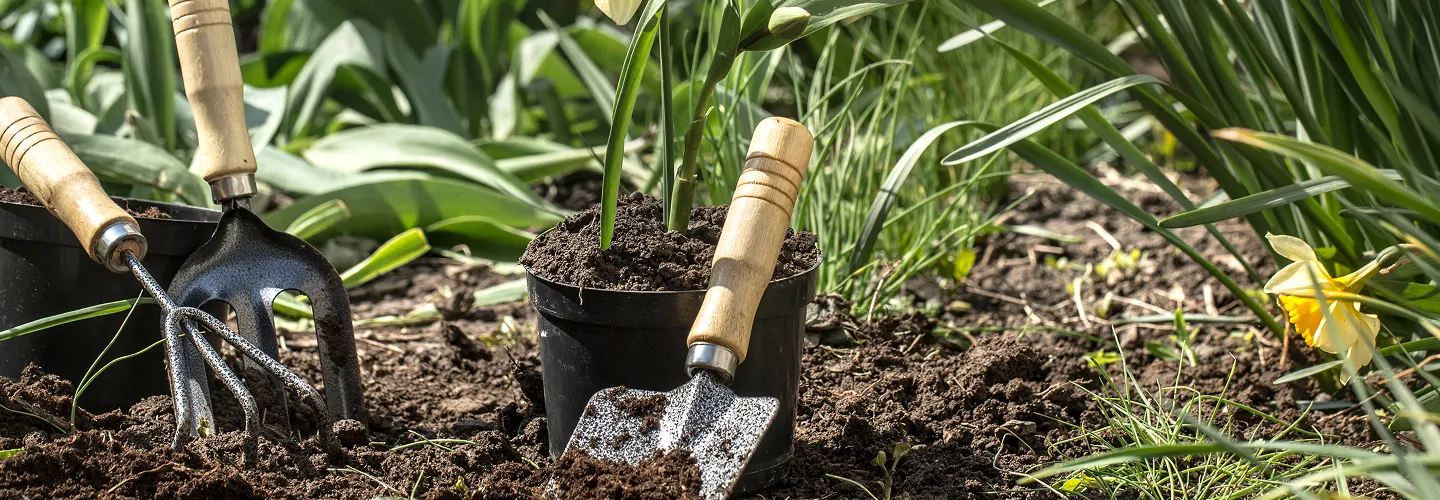
Burnt Store Marina Flower Bed Maintenance Services
Choose our Flower Bed Maintenance for expert care that keeps your garden healthy, colorful, and weed-free all year long—so you can enjoy stunning curb appeal without the hassle.
Get a Free QuoteOur Burnt Store Marina Landscaping & Yard Care Services
When to Schedule Flower Bed Maintenance in Burnt Store Marina, Florida – Seasonal Guide
In Burnt Store Marina, Florida, the timing of flower bed maintenance is crucial for vibrant, healthy landscapes. Thanks to our subtropical climate, with mild winters and hot, humid summers, most flower beds benefit from major maintenance in early spring and late fall. Early spring—just after the last frost date—offers the perfect window to refresh mulch, prune perennials, and prepare soil before the intense summer heat arrives. Late fall is ideal for cleaning up beds, dividing overgrown plants, and protecting roots ahead of any rare cold snaps.
Local factors such as the proximity to Charlotte Harbor, the shade provided by mature oaks in neighborhoods like Prosperity Point, and the sandy, well-draining soils common throughout Burnt Store Marina all play a role in determining the best maintenance schedule. Homeowners should also consider the risk of drought during late spring and municipal watering restrictions, which can impact when and how often beds should be tended. For more information on local guidelines, visit the official municipal resource.
Local Factors to Consider for Flower Bed Maintenance in Burnt Store Marina
- Tree density and shade coverage, especially in areas like Commodore Club
- Soil type (sandy vs. loamy) and drainage
- Seasonal precipitation patterns and drought risk
- Proximity to saltwater and its effect on plant selection
- Municipal restrictions on watering and fertilizer use
- Terrain variations, such as sloped lots near the marina
- Local pest and disease pressures unique to the region
Benefits of Flower Bed Maintenance in Burnt Store Marina
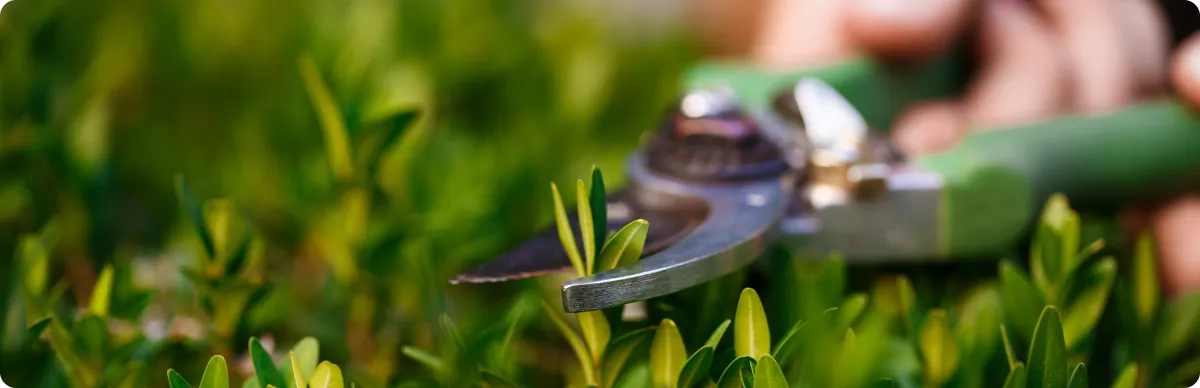
Enhanced Curb Appeal
Weed and Pest Control
Healthier Plant Growth
Seasonal Color Management
Professional Expertise
Time and Effort Savings
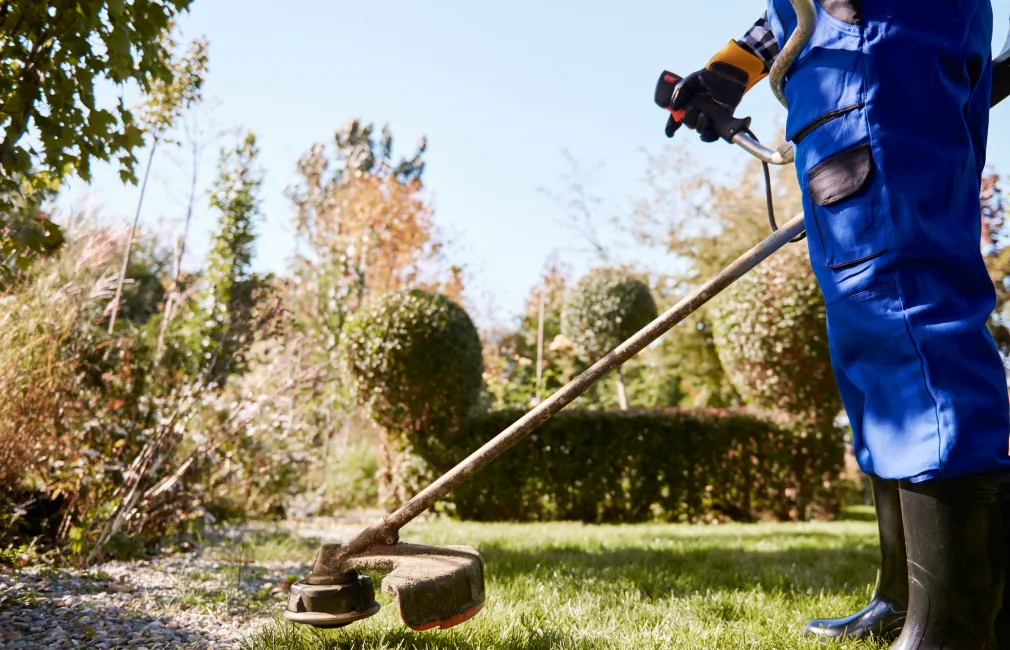
Burnt Store Marina Flower Bed Maintenance Types

Seasonal Flower Planting
-
Weed Control Services
-
Mulching and Soil Conditioning
-
Pruning and Deadheading
-
Fertilization Programs
-
Pest and Disease Management
-
Irrigation System Monitoring
Our Flower Bed Maintenance Process
Site Evaluation
Weed Removal
Soil Cultivation
Mulching
Plant Health Inspection
Why Choose Burnt Store Marina Landscape Services
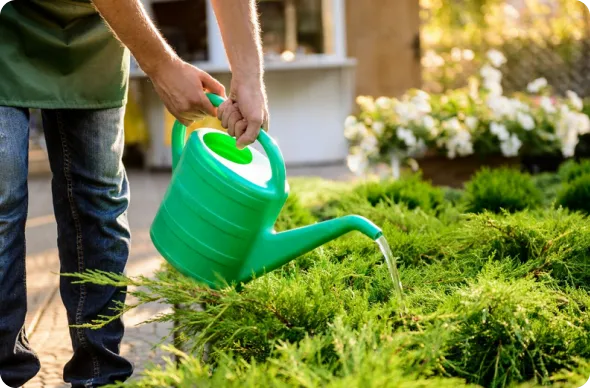
Burnt Store Marina Homeowners Trust Us
-
Expert Lawn Maintenance
-
Reliable Irrigation Solutions
-
Comprehensive Weed Control
-
Professional Tree and Shrub Care
-
Consistent Quality Assurance
-
Responsive Customer Support
-
Competitive Pricing
Coordinating Flower Bed Maintenance with Lee County Programs in Burnt Store Marina
Burnt Store Marina is an unincorporated community within Lee County, meaning all municipal-level coordination for flower bed maintenance falls under county departments rather than a city government. Property owners and managers maintaining flower beds along rights-of-way, near stormwater swales, or adjacent to canal edges should verify current yard waste collection schedules and vegetative debris disposal requirements through Lee County's solid waste programs. Organic bed debris—spent annuals, pulled weeds, trimmed perennials, and displaced mulch—must be handled according to county guidelines and kept out of drainage infrastructure.
- Coordinate with Lee County for any bed work that generates vegetative debris near public rights-of-way or canal maintenance easements
- Confirm current yard waste bundling and curbside collection rules before large-scale seasonal bed cleanouts
- Properties adjacent to county-maintained swales or drainage corridors should ensure mulch, soil amendments, and plant material do not migrate into stormwater conveyances
Residents can consult Lee County Parks and Recreation for guidance on public landscape standards that may inform flower bed design in community-facing areas.
Lee County Parks and Recreation
Official Website: Lee County Parks and Recreation
How Burnt Store Marina's Gulf Coast Climate Shapes Flower Bed Performance
Burnt Store Marina sits along Charlotte Harbor on Florida's Gulf Coast, placing it within USDA Hardiness Zone 10a. This subtropical coastal environment creates specific pressures on flower bed plantings that differ from inland or northern Florida locations. The community's soils are predominantly sandy and shell-influenced, with limited organic matter and rapid drainage that accelerates nutrient leaching from bed areas. The USDA Web Soil Survey confirms the prevalence of poorly structured sandy soils throughout this coastal corridor.
- Heat intensity: Summer temperatures regularly exceed 90°F with high humidity, stressing shallow-rooted annuals and accelerating mulch decomposition
- Salt exposure: Proximity to Charlotte Harbor introduces salt spray and brackish groundwater influence, limiting species selection and requiring salt-tolerant cultivars
- Wet-season saturation: June through September rainfall can exceed 8 inches per month, creating waterlogged bed conditions if drainage is inadequate
- High water table: Low-lying lots near canals and marina basins may experience seasonal water table rise, affecting root health in beds without raised profiles
- Nutrient leaching: Sandy substrates allow fertilizer to pass quickly through the root zone, increasing the risk of nutrient runoff into adjacent canals and retention areas
Flower bed maintenance programs in Burnt Store Marina must account for these overlapping stressors when scheduling irrigation, selecting amendments, and planning seasonal replanting cycles.
Navigating Lee County Regulations and Environmental Compliance for Flower Bed Care
Flower bed maintenance in Burnt Store Marina intersects with several regulatory frameworks at the county, state, and federal levels. Lee County enforces land development codes through its Department of Community Development, which oversees zoning compliance, site appearance standards, and landscaping requirements for both residential and commercial properties. Property owners undertaking significant bed modifications—such as installing raised beds, retaining walls, or hardscape edging near setback lines—should verify whether review is required.
- Any chemical weed control or pest treatment applied to flower beds must comply with Florida Statutes Chapter 487, which governs pesticide regulation and requires commercial applicators to hold valid FDACS licensure
- Fertilizer applications near waterways are subject to Florida Statutes §403.9337, which establishes the model ordinance for Florida-Friendly fertilizer use on urban landscapes; verify current Lee County adoption details before applying granular or liquid fertilizers to beds adjacent to canals or retention ponds
- Stormwater discharge protections under the Florida DEP NPDES Stormwater Program apply to sediment, mulch, and chemical runoff from bed maintenance activities
Lee County Department of Community Development
Official Website: Lee County Department of Community Development
Timing Flower Bed Maintenance Around Burnt Store Marina's Wet Season and Heat Cycles
Professional flower bed maintenance in Burnt Store Marina follows a seasonal rhythm dictated by the Gulf Coast's pronounced wet and dry seasons. Scheduling bed work around these cycles improves plant survival, reduces waste, and minimizes environmental impact on the community's extensive canal and retention pond network.
- Dry season (November–May): This is the primary window for bed renovation, soil amendment incorporation, and installation of cool-season annuals such as petunias, snapdragons, and dianthus; irrigation emitters should be inspected and adjusted to compensate for reduced rainfall
- Wet season (June–October): Focus shifts to weed suppression, deadheading, mulch replenishment, and drainage monitoring; avoid heavy fertilizer applications during peak rainfall months to prevent nutrient runoff into Charlotte Harbor tributaries
- Mulch management: Maintain mulch depth at approximately 2–3 inches to suppress weeds and moderate soil temperature; replenish after heavy storms that displace material toward swales or drainage inlets
- Irrigation coordination: Flower beds on drip or micro-spray emitters should be zoned separately from turf irrigation; verify current watering restrictions through Lee County Utilities and the South Florida Water Management District, as schedules may vary by drought stage and water source
- Seasonal replanting: Transition warm-season selections such as pentas, lantana, and vinca into beds by late April; remove cold-damaged or spent plantings promptly to prevent fungal harboring in humid conditions
Residents should reference EPA WaterSense Outdoors guidance for efficient irrigation practices that reduce water use while maintaining bed health.
Lee County Utilities
Official Website: Lee County Utilities
What Neighborhoods Do We Serve Throughout Burnt Store Marina, FL?
- Admiral's Point: Waterfront homesites along deep-water canals require salt-tolerant bed selections and careful mulch anchoring to prevent displacement into adjacent canal edges during heavy rain events.
- Commodore Waterway: Properties in this section feature canal-front lots where flower bed runoff management is critical; beds should incorporate raised edges or berms to direct irrigation and stormwater away from waterway banks.
- Courtside Landings: Condominium-style settings with shared landscape areas benefit from coordinated bed maintenance schedules that align with HOA appearance standards and irrigation system zoning.
- Linkside/Fairway Landings: Golf course-adjacent lots experience reflected heat from cart paths and open turf expanses, increasing heat stress on flower beds and requiring more frequent irrigation monitoring during summer months.
- Harbourside: Marina-adjacent residences face elevated salt exposure and wind, making species selection and mulch stability primary concerns for sustained bed performance.
- Burnt Store Marina Country Club Estates: Larger single-family lots with mature landscaping often feature established bed areas under partial canopy, where shade-tolerant species and adjusted irrigation emitter placement improve planting longevity.