
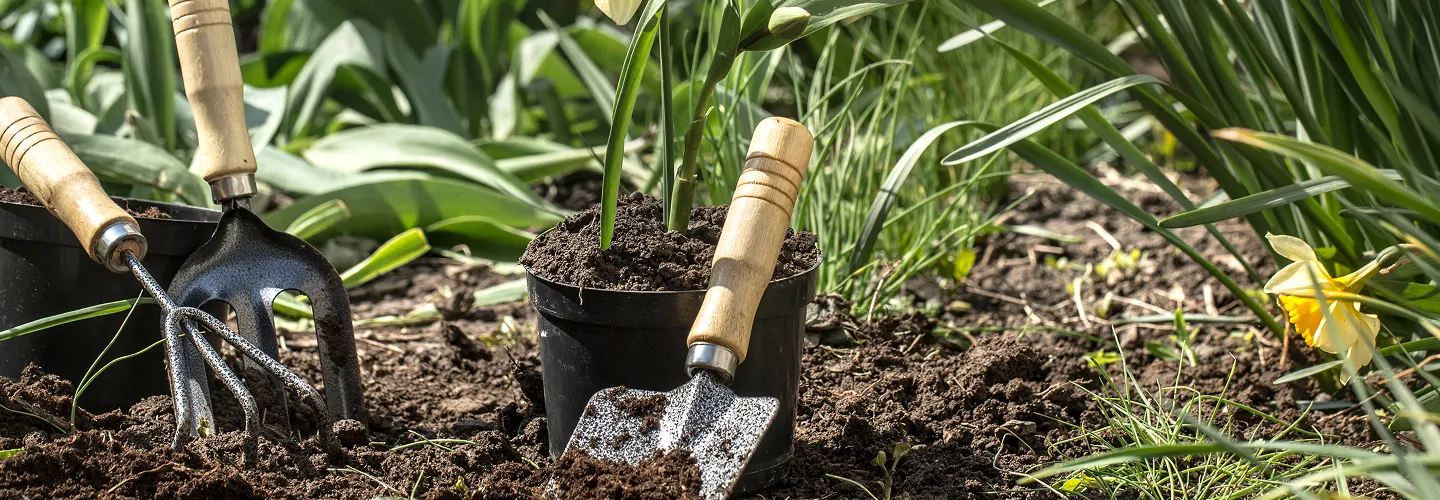
Burnt Store Marina Flower Planting Services
Choose our flower planting services for vibrant, expertly arranged blooms that thrive in your unique landscape—bringing lasting color, curb appeal, and professional care to your outdoor spaces.
Get a Free QuoteOur Burnt Store Marina Landscaping & Yard Care Services
When to Schedule Flower Planting in Burnt Store Marina, Florida – Seasonal Guide
Flower planting in Burnt Store Marina, Florida, is best scheduled with careful attention to the area’s subtropical climate and unique landscape features. The optimal planting windows are typically late fall through early spring, when temperatures are milder and rainfall is more consistent. This timing helps new plantings establish strong root systems before the intense summer heat and potential drought conditions arrive. Neighborhoods near Burnt Store Road and the marina itself often benefit from the moderating effects of nearby water, but microclimates can vary, especially in shaded areas or those with sandy soils.
Local environmental factors such as the last frost date—usually in late January—should be considered, as well as the risk of heavy summer rains that can lead to root rot if drainage is poor. Areas like Prosperity Point and the Osprey Landing community may experience different shade coverage and soil compositions, impacting the best times and methods for planting. For more detailed local guidelines, consult resources like the Sudbury municipal site.
Local Factors to Consider for Flower Planting in Burnt Store Marina
- Tree density and shade coverage, especially in neighborhoods with mature landscaping
- Soil type (sandy vs. loamy) and drainage capacity
- Proximity to water features or the marina, which can affect humidity and temperature
- Seasonal precipitation patterns and drought risk
- Municipal restrictions or HOA guidelines on planting and irrigation
- Terrain variations, such as elevation changes near canal-front properties
Benefits of Flower Planting in Burnt Store Marina
Expert Local Knowledge
Customized Plant Selection
Enhanced Curb Appeal
Seasonal Color Variety
Low-Maintenance Solutions
Eco-Friendly Landscaping
Burnt Store Marina Flower Planting Types

Annual Flower Beds
-
Perennial Garden Design
-
Native Wildflower Plantings
-
Seasonal Color Rotations
-
Container Flower Arrangements
-
Pollinator-Friendly Plantings
-
Shade Garden Flowers
Our Flower Planting Process
Site Evaluation
Soil Preparation
Flower Selection
Planting
Watering and Mulching
Why Choose Burnt Store Marina Landscape Services
Burnt Store Marina Homeowners Trust Us
-
Expert Lawn Maintenance
-
Reliable Irrigation Solutions
-
Comprehensive Weed Control
-
Professional Tree and Shrub Care
-
Consistent Quality Assurance
-
Responsive Customer Support
-
Competitive Pricing
Coordinating Flower Planting Projects with Lee County Departments in Burnt Store Marina
Burnt Store Marina is an unincorporated community within Lee County, meaning all land-use oversight, landscaping guidance, and development review fall under county-level departments rather than a municipal government. Property owners and managers planning flower planting projects should coordinate with the Lee County Department of Community Development when site work involves changes to landscaped areas within planned developments, common areas, or parcels subject to development-order conditions. The department handles planning coordination, land-use compliance, and site-work review that may apply when flower installations alter approved landscape plans or affect stormwater management features such as swales and retention areas.
- Confirm whether your property's approved landscape plan requires review before modifying planting beds or adding new flower installations along roadways, medians, or common-area frontages.
- Verify that proposed plantings do not encroach on utility easements, drainage easements, or rights-of-way maintained by Lee County.
- Contact Lee County Parks and Recreation for guidance on plant species used in public-facing landscape areas and community greenspaces adjacent to residential parcels.
Lee County Department of Community Development
1500 Monroe Street, Fort Myers, FL 33901
Official Website: Lee County Department of Community Development
Lee County Parks and Recreation
3410 Palm Beach Boulevard, Fort Myers, FL 33916
Official Website: Lee County Parks and Recreation
How Burnt Store Marina's Coastal Soils and Gulf Climate Shape Flower Planting
Burnt Store Marina sits along Charlotte Harbor on Florida's Gulf Coast, placing it squarely within USDA Hardiness Zone 10a. This subtropical coastal environment creates specific conditions that directly influence flower planting success. Residents should account for the following factors before selecting species or preparing planting sites:
- Sandy, shell-influenced soils: Much of the community rests on sandy coastal soils with shell fragments and limited organic content. These soils drain rapidly, which reduces moisture retention and accelerates nutrient leaching. Amending beds with composted organic matter improves water-holding capacity and supports root establishment. The USDA Web Soil Survey provides parcel-level soil data for site-specific planning.
- Salt exposure: Proximity to Charlotte Harbor and tidal canals introduces salt spray and brackish groundwater influence. Flower species must tolerate at least moderate salt exposure, particularly in waterfront lots and parcels near marina channels.
- High water table and drainage sensitivity: Many areas within Burnt Store Marina feature elevated water tables, especially during the wet season from June through October. Raised beds or mounded planting zones help prevent root saturation in low-lying parcels adjacent to canals and retention ponds.
- Intense summer heat and humidity: Daytime temperatures regularly exceed 90°F from May through September, with humidity levels that promote fungal pressure on susceptible flower species. Selecting heat-tolerant, humidity-adapted varieties is essential.
The USDA Plant Hardiness Zone Map confirms the zone classification that governs which perennials and annuals can reliably establish in this region.
Navigating Lee County's Zoning and Environmental Rules for Flower Planting
Flower planting in Burnt Store Marina must align with Lee County's land development code, particularly when installations occur within planned developments, along rights-of-way, or near environmentally sensitive areas. While routine residential flower planting in existing beds typically does not require a permit, several regulatory considerations apply:
- Plantings near canals, retention ponds, or stormwater management areas must not obstruct drainage flow or introduce soil or mulch into waterways. The Florida DEP NPDES Stormwater Program establishes the framework under which Lee County manages stormwater discharge.
- Any chemical soil amendments, pre-emergent herbicides, or pest treatments applied during bed preparation must comply with Florida Statutes Chapter 487, which governs pesticide regulation and requires proper licensing for commercial applicators.
- Lee County's fertilizer ordinance, consistent with Florida Statutes §403.9337, restricts nitrogen and phosphorus application during the summer rainy season. Verify current blackout dates through Lee County before fertilizing newly planted flower beds.
- Properties within the Burnt Store Marina community may also be subject to HOA-level landscape standards that govern approved plant species, bed dimensions, and color palettes. Confirm these requirements before installation.
Lee County Zoning
1500 Monroe Street, Fort Myers, FL 33901
Official Website: Lee County Zoning
Timing Flower Planting Around Burnt Store Marina's Wet Season and Coastal Heat
Professional flower planting in Burnt Store Marina follows seasonal windows dictated by the Gulf Coast's rainfall pattern, temperature extremes, and irrigation availability. Proper timing reduces transplant shock, minimizes irrigation demand, and improves long-term establishment.
- Optimal planting windows: Late October through early April represents the primary planting season. Cooler temperatures, lower humidity, and reduced rainfall allow transplants to establish root systems before summer stress arrives. A secondary window in early June can work for heat-tolerant species if irrigation is reliable.
- Species selection by exposure: Full-sun beds along south- and west-facing frontages require species such as lantana, pentas, blanket flower, and portulaca that tolerate direct Gulf Coast sun and reflected heat from driveways and walkways. Shaded beds beneath mature oaks or palms suit impatiens, caladiums, and bromeliads.
- Soil preparation standards: Remove existing weeds and debris, amend sandy soils with two to three inches of composted organic material, and grade beds to drain away from structures and toward designated swales or retention features. Avoid directing runoff toward canal banks or storm-drain inlets.
- Irrigation coordination: New plantings require consistent moisture during the first two to four weeks. Drip emitters or micro-spray heads reduce water waste and prevent foliar disease compared to overhead irrigation. Watering restrictions may vary by utility schedule and water management district; confirm current rules through Lee County Utilities.
- Mulch application: Apply two to three inches of organic mulch around plantings, keeping mulch pulled back from stems to prevent crown rot. Mulch reduces soil temperature, conserves moisture, and suppresses weed germination in Burnt Store Marina's sandy soils.
What Neighborhoods Do We Serve Throughout Burnt Store Marina, FL?
- Burnt Store Marina proper — This master-planned waterfront community features canal-front lots, marina-adjacent parcels, and common-area landscaping that requires salt-tolerant flower species and coordination with community landscape standards.
- Burnt Store Lakes — Lakefront homesites in this area present elevated water tables and retention-pond adjacency, making raised flower beds and proper drainage grading essential for planting longevity.
- Burnt Store Village — A residential neighborhood with varied lot sizes where mature tree canopy creates mixed sun-and-shade conditions that influence flower species selection and irrigation placement.
- Cape Harbour (nearby service area) — Waterfront properties near this commercial and residential district experience significant salt exposure and reflected heat from hardscape, requiring durable coastal-adapted flower varieties.
- Burnt Store Isles — Canal-laced residential lots in this adjacent community demand careful attention to runoff management, ensuring that soil amendments and mulch do not migrate into canal systems during heavy rain events.